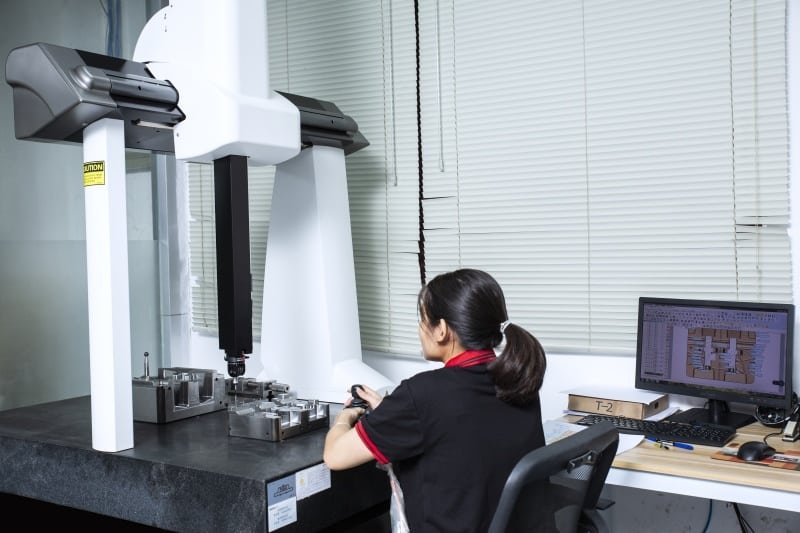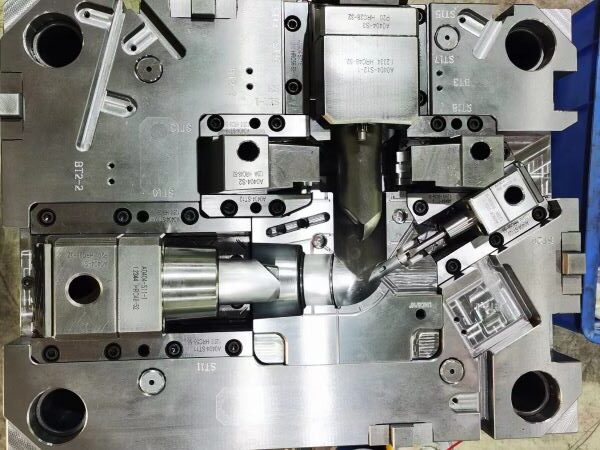
Recently, we ventured into crafting several sets of 2K molds, and we’ve achieved commendable precision in controlling critical dimensions during the manufacturing process. However, when it came to prototyping, we encountered issues, particularly with the overflow of soft rubber, notably around the gating area. This led us to ponder: for 2K dual-shot products with both soft and hard materials, which holds more significance, the precision in mold manufacturing or the effectiveness of the injection molding process?
The importance of mold manufacturing is undeniable, as it directly influences the form and quality of the final product. Yet, the injection molding process is equally crucial, determining material flow and molding pressure, especially critical for the bond between soft and hard materials. Addressing the overflow issue necessitates optimization in two areas: refining gating designs and adjusting injection parameters, alongside meticulous maintenance and fine-tuning of injection equipment.
However, achieving a balance between mold manufacturing and injection molding processes is imperative. Both are interdependent, jointly shaping product quality. When addressing the overflow issue, we must comprehensively consider both aspects to seek the optimal coordination.
Moving forward, our focus will delve deeper into exploring the relationship between these two processes, constantly refining their collaboration. Only when mold manufacturing and injection molding processes achieve a harmonious equilibrium can we produce superior-quality 2K dual-shot products that cater to market demands.
In summary, for 2K dual-shot products, both mold manufacturing and injection molding processes are equally pivotal. Only through their harmonized collaboration can we attain enhanced product quality and production efficiency. Which aspect, in your opinion, presents a greater challenge in resolving such issues? Do you have any suggestions for process optimization?